Start with the surface, not a pressure number
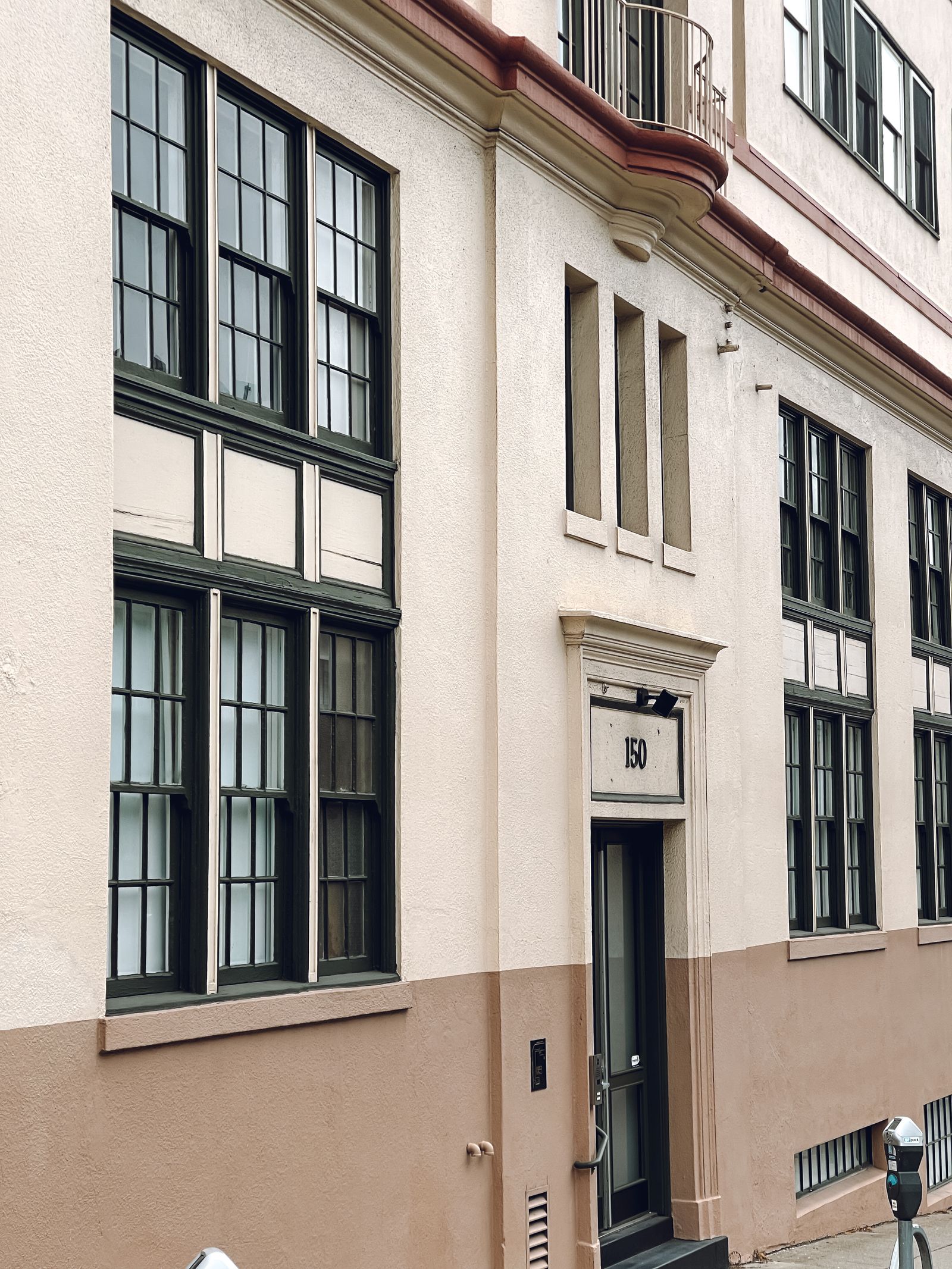
Greenville commercial properties may combine brick, painted masonry, stucco, EIFS, precast concrete, metal panels, glass, tile, concrete sidewalks, canopies, and repaired areas. A dark or green area may be algae, mildew, pollen film, traffic soil, bird residue, irrigation minerals, oxidation, old coating failure, or damaged material. Each observation changes the cleaning conversation. Aggressive pressure can etch, drive water into joints, disturb coatings, or damage older mortar without correcting the underlying stain.
Soft washing can be appropriate for compatible organic growth and atmospheric soil on tested surfaces, but it does not repair failed sealants, leaking windows, cracked masonry, spalled concrete, coating failure, or water intrusion. A test area helps confirm the expected change and shows whether a shadow, embedded mineral deposit, aged coating, or permanent discoloration will remain. A Greenville proposal should separate routine facade cleaning from glass detailing, oxidation treatment, hard-water removal, graffiti removal, coating work, and repairs so the property team can compare scope accurately.
- Map brick, stucco, EIFS, concrete, glass, metal, tile, coatings, and repaired areas.
- Separate pollen, biological growth, traffic soil, minerals, oxidation, and substrate damage.
- Use a test area on older, coated, weathered, or visually sensitive surfaces.
- Define the intended finish and document conditions cleaning cannot repair.
Fit the work around Upstate operations
Greenville's commercial mix makes scheduling part of the service. A hotel near downtown or the Bon Secours Wellness Arena may have guest arrivals, valet lanes, event traffic, outdoor dining, and narrow pedestrian routes. Medical and outpatient buildings around Prisma Health campuses need clear patient drop-offs, accessible paths, emergency access, air-intake awareness, and quiet coordination with facilities staff. Offices in the downtown core, Verdae, and the Augusta Road area may have tenant arrivals, parking decks, deliveries, and employees moving between buildings. Retail centers along Haywood Road, Woodruff Road, and Pelham Road add shoppers, storefront entrances, carts, signage, and peak traffic patterns.
Manufacturing and distribution properties around the South Carolina Technology and Aviation Center, Donaldson, and the I-85/I-385 corridors may have truck courts, production schedules, loading zones, security checkpoints, and large wall fields. Before scheduling, we ask about shift changes, dock activity, visitor routes, fire lanes, tenant hours, events, security rules, and who can pause work. A phased sequence may keep the main entrance or shipping lane open while a side elevation is addressed. Barriers, signage, hose routing, wet-surface controls, air-intake protection, and a clear handback standard should be included in the plan.
Address pollen, humidity, rain, and storm-driven soil
Greenville's warm season, humidity, tree canopy, and spring pollen can leave a visible film on windows, ledges, signs, metal, canopies, and light-colored masonry. Shaded north-facing walls, covered walkways, parapets, and areas behind landscaping can hold moisture and support recurring organic growth. Rain may rinse loose dust while moving residue toward joints, low points, entrances, and sidewalks. A maintenance discussion should distinguish pollen, algae, mildew, traffic film, mineral deposits, and storm splash because a single generic treatment may not address each condition well.
Thunderstorms, lightning, heavy rain, gusts, and fast changes in weather can affect dwell time, spray control, aerial feasibility, public separation, traction, and runoff. The work plan should include weather limits, equipment-securement procedures, inspection timing, and a pause process. If a storm changes the water path or leaves a surface too wet to evaluate, the team should adjust the sequence rather than rush a handback. A recurring plan can prioritize shaded elevations, high-visibility entrances, pollen-heavy spring conditions, or pre-event presentation based on the property's needs.
Use drone-assisted cleaning selectively on upper elevations
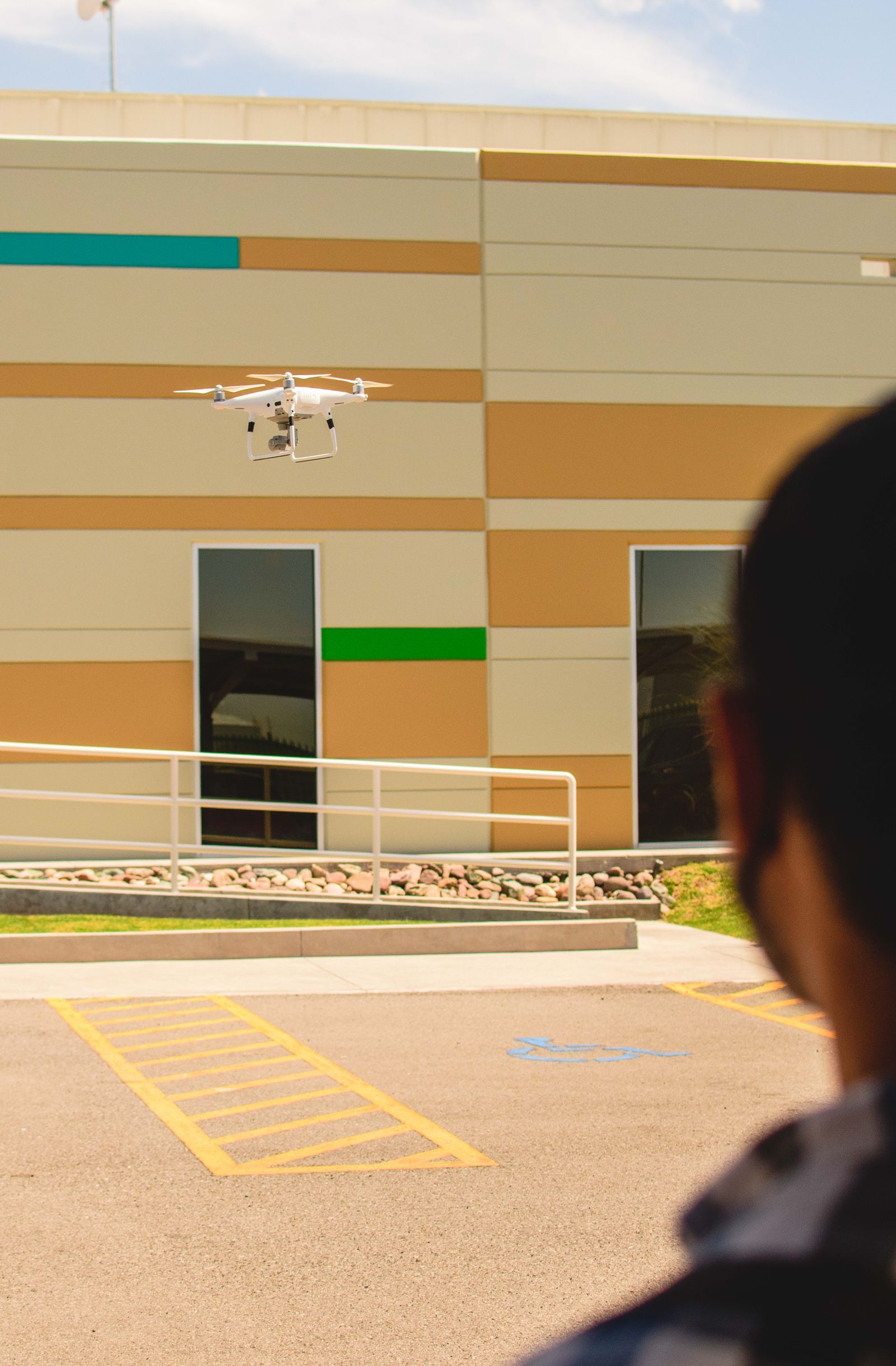
Drone-assisted application or rinsing may support compatible upper wall fields when the address offers suitable launch and recovery space, line of sight, stand-off distance, weather, airspace, and ground controls. It is not the right method for every elevation. Tree limbs, power lines, roof equipment, balconies, complex cornices, adjacent buildings, public gathering areas, and delicate window details can make one zone unsuitable even when a broad wall is workable. Entrances, frames, ledges, canopies, bonded residue, and fine architectural details may still need contact equipment or hand work.
Greenville's proximity to airports, hospitals, heliports, dense downtown blocks, major event venues, and active industrial corridors can affect an aerial plan. Commercial operators must follow applicable Federal Aviation Administration requirements and obtain any authorization required for the address and date. A quote should identify proposed elevations, spotters, public separation, communications, emergency stop procedures, weather limits, and the alternate method if conditions change. A hybrid approach may use aerial assistance on broad upper walls and controlled contact cleaning where precision, recovery, or inspection matters more.
Plan drainage, landscaping, and customer safety before rinsing
Greenville sites may have sloped parking lots, curb inlets, planted beds, irrigation heads, loading docks, basement entries, sidewalk cross-slopes, parking decks, and stormwater features close to the building. Water and removed soil can travel from an upper elevation toward a storefront, neighboring tenant, vehicle lane, planted bed, or drain. Before work begins, map doors, cameras, air intakes, vehicles, landscaping, storm drains, low points, accessible routes, hose crossings, and areas where customers queue. Confirm water access and the person who can stop work if flow or pedestrian movement changes.
The appropriate controls depend on the products used, soil removed, rinse volume, slope, drainage, nearby waterways, and property requirements. They may include plant protection, diversion, collection, recovery, reduced-rinse techniques, filtration, or coordination with the responsible authority. A visible inlet is not automatic permission to discharge wash water. The closeout should leave paths usable, note remaining deposits or repairs, identify cleaned elevations, and record any weather or access changes that affected the result.
- Locate drains, low points, landscaped areas, entrances, air intakes, and public routes.
- Confirm water source, hose paths, barriers, irrigation status, and emergency access.
- State water-management controls and the stop condition if runoff changes.
- Record cleaned zones, remaining residue, damage, deferred work, and weather changes.
Get a Greenville quote tied to the actual property
A useful proposal should identify service zones, materials, visible conditions, method by elevation, access approach, water assumptions, weather limits, occupied-site controls, intended finish, exclusions, and closeout documentation. Broad facade cleaning should be separated from high-detail glass, construction film, oxidation, mineral removal, canopy detailing, graffiti, coatings, and masonry repairs. If aerial assistance is proposed, the scope should say where it is expected to help and what backup method applies if wind, airspace, public activity, access, or finish requirements change.
Send the Greenville property address, wide and close photos, approximate height, priority elevations, known materials, desired result, preferred work windows, water access, drainage concerns, and restrictions related to patients, guests, tenants, shoppers, employees, deliveries, events, or security. Those details help determine whether a remote review, site visit, test area, or hybrid plan should come next. Call +1 239-351-2897, email contact@dronebuildingcleaners.com, or use the quote form to get in touch.